African Heirloom (Madagascar)
Flowering: 65–90 Days (≈9–14 Weeks)
Stretch: Moderate to High
Plant Size: Tall, highly branched sativa structure
Yield: Medium to High (in ideal tropical or greenhouse settings)
Difficulty: Intermediate – tolerant yet benefits from stable, warm conditions
Aroma: Wood • Lemon Zest • Spice • Earthy Floral
THC / Cannabinoids: Moderate to Strong | Cannabinoid profile varies by harvest maturity
Summary / Suitability
Madagascar African Heirloom is a true island sativa preserved from the humid highlands and coastal forests of Madagascar. This heirloom line embodies tropical adaptability—thriving in high humidity, variable sunlight, and fluctuating soil conditions. It is prized for its unique aromatic spectrum, extended flowering window, and elegant plant form. This strain is ideal for preservationists, tropical breeders, or connoisseurs seeking unhybridized African energy in a resilient, long-cycle landrace.
Genetic & Regional Background
This variety originates from isolated Malagasy populations cultivated through open-pollination for decades. The island’s environmental pressures—rain, heat, and shade—produced a naturally adaptive gene pool capable of resisting stress while retaining exceptional resin production. Unlike continental African sativas, Madagascar types exhibit slightly denser bud formation, subtle lemon-wood terpenes, and an earthy-spice undertone distinct from mainland profiles like Malawi or Kilimanjaro.
Plant Characteristics
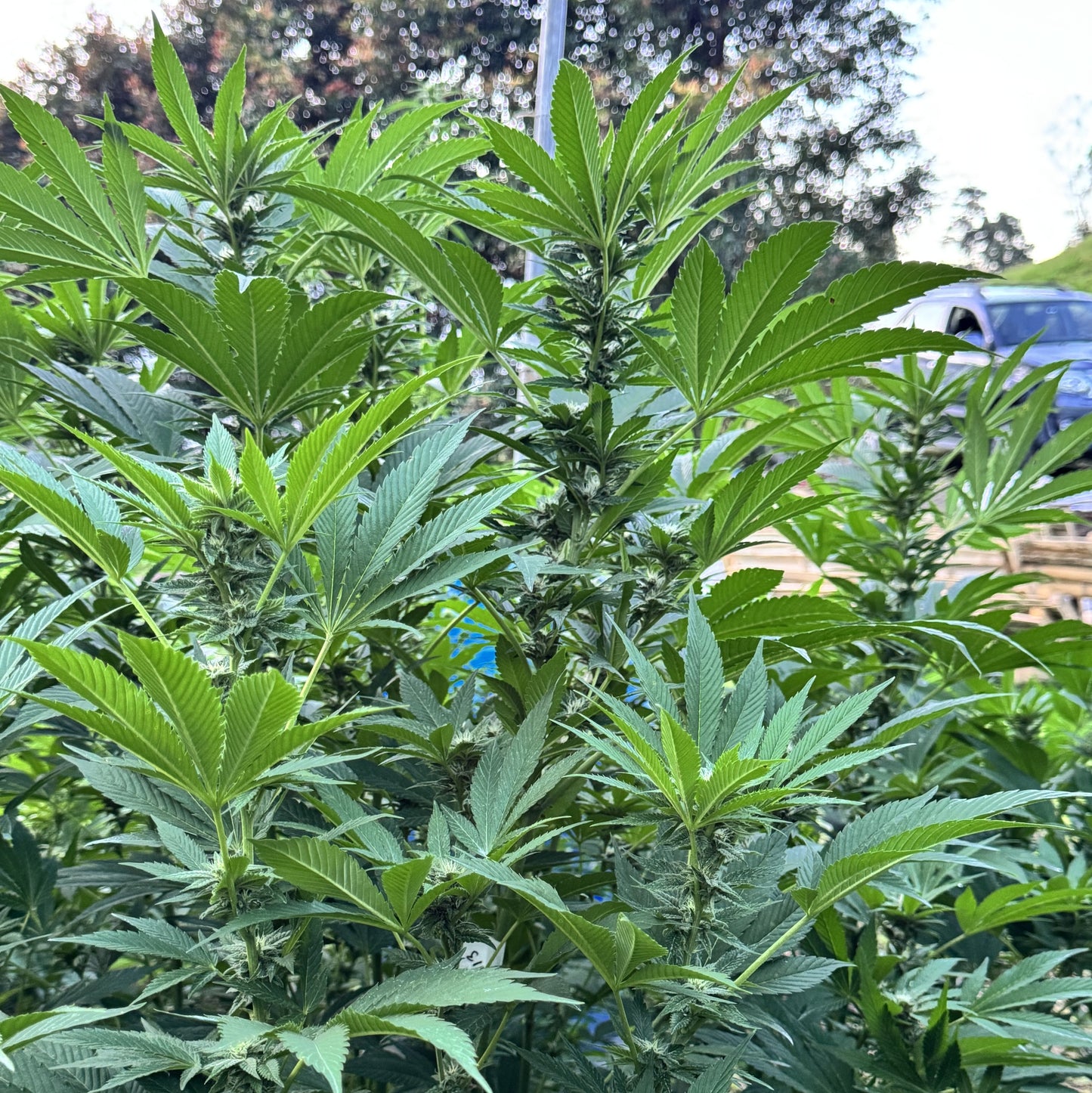
Plants grow tall with multiple upright branches and long internodes, displaying thin, elegant leaves and a lightly open canopy. In greenhouse or tropical sun, individuals often exceed 2.5 m in height. Flowering stretches continuously, forming segmented colas along the stems with visible resin from early bloom. These phenotypes show excellent pest and mold tolerance. The structure is airy yet robust—allowing airflow and even light penetration to interior bud sites.
Flower & Resin Traits
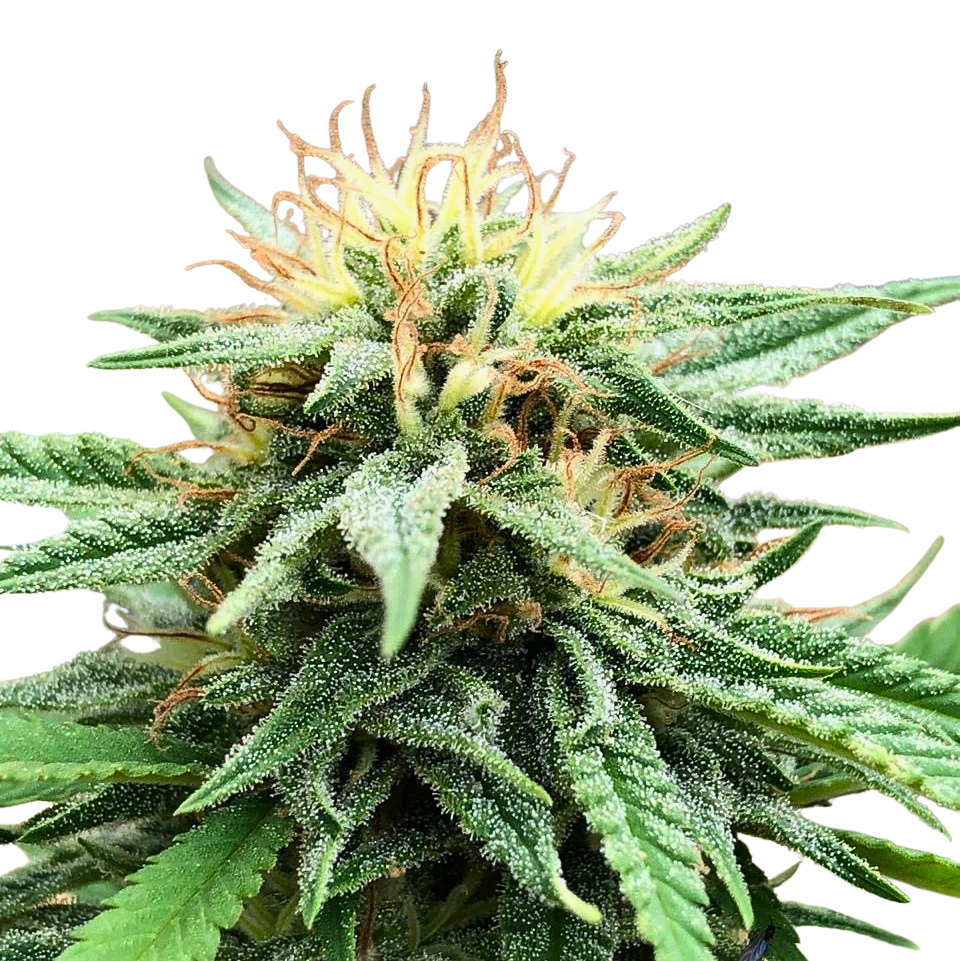
Flowers are elongated and resin-rich, with a crystalline coat of trichomes and long orange or gold pistils. Calyxes remain slender but form denser nodes than other tropical sativas. The aroma evolves through the cycle—from woody-lemon spice in early flower to a deeper earthy-citrus blend at full maturity. Each phenotype expresses a distinct balance of lemon zest, cedar, and sweet soil tones. Trichomes are numerous with large heads, making it suitable for traditional hash preparation.
Growing Tips (Indoor & Outdoor)
Indoor / Greenhouse: Allow vertical space and train early using LST or screen methods. Maintain warm conditions (26–30 °C) and moderate humidity (50–60%). Madagascar responds well to moderate feeding and natural soil-based nutrient programs. Expect variation in flowering length (9–14 weeks) depending on phenotype and light intensity. Outdoor / Tropical Settings: Performs best in full sun with deep soil or large containers. Naturally resistant to pests and mildew, it benefits from light pruning and airflow. Ideal for equatorial or subtropical climates, where it expresses full color and terpene depth late in flower.
Effects & Potency
The effect is clean, stimulating, and spiritual—typical of old-world tropical sativas. Early-harvest expressions produce a sharp, cerebral high with heightened awareness and creativity, while later harvests lean toward a calm, narcotic relaxation. Its moderate-to-strong potency comes from balanced THC and secondary cannabinoids, providing a long-lasting, mood-elevating clarity.
Appearance & Aroma / Flavor Profile
Appearance: Long, elegant spears covered in fine resin with bright orange pistils and golden-green calyxes. Aroma: Wood, lemon zest, spice, and subtle floral earth. Flavor: Woody citrus on the inhale, smooth spice and earth on the exhale, leaving a clean herbal finish.
Cultural & Botanical Significance
Madagascar’s ancient isolation has given rise to a unique cannabis chemotype—one rarely preserved today. This heirloom stands as a living representation of the island’s ecological independence and traditional agricultural wisdom. Cultivated since the 1970s by small farmers, it remains a cornerstone of African landrace diversity: expressive, aromatic, and undeniably wild.