ZURUMA AFRICAN RESERVE
ZURUMA AFRICAN RESERVE
Congo × Kilimanjaro Highland Sativa
Flowering: 68–73 Days (≈10 Weeks)
Stretch: Moderate–High
Plant Size: Tall, narrow-leaved tropical sativa
Yield: Medium–High (excellent outdoor performance)
Difficulty: Intermediate – highly resilient and humidity-tolerant
Aroma: Earthy • Woody • Sweet Spice • Herbal Citrus
THC / Cannabinoids: 16–20% THC | Balanced heirloom cannabinoid profile
Summary / Suitability
Zuruma African Reserve is a rare heirloom sativa preserved from East and Central Africa, tracing its origins to traditional cultivation zones stretching from the Congo Basin to the slopes of Mount Kilimanjaro. Named “Zuruma” in reference to ceremonial preparations made from its aromatic flowers, this landrace expresses the full vigor and clarity of old-world African cannabis. Adapted over centuries to intense sunlight and tropical rain cycles, it thrives in open-field and greenhouse conditions, showing remarkable mold resistance and a long, graceful floral structure.
Genetic Background
Cannabis arrived in Africa thousands of years ago via Arabian and Indian trade routes, spreading inland along caravan and coastal paths. In the fertile mountain regions of Tanzania and Congo, the plant adapted to equatorial elevation and year-round warmth. The Zuruma line represents a natural fusion of these genetic influences — a pure, unhybridized African sativa with morphological similarities to Kilimanjaro “Mountain of God” and Congo Red expressions. Its preservation provides insight into ancient African domestication and ceremonial usage patterns that predate modern breeding.
Plant Characteristics
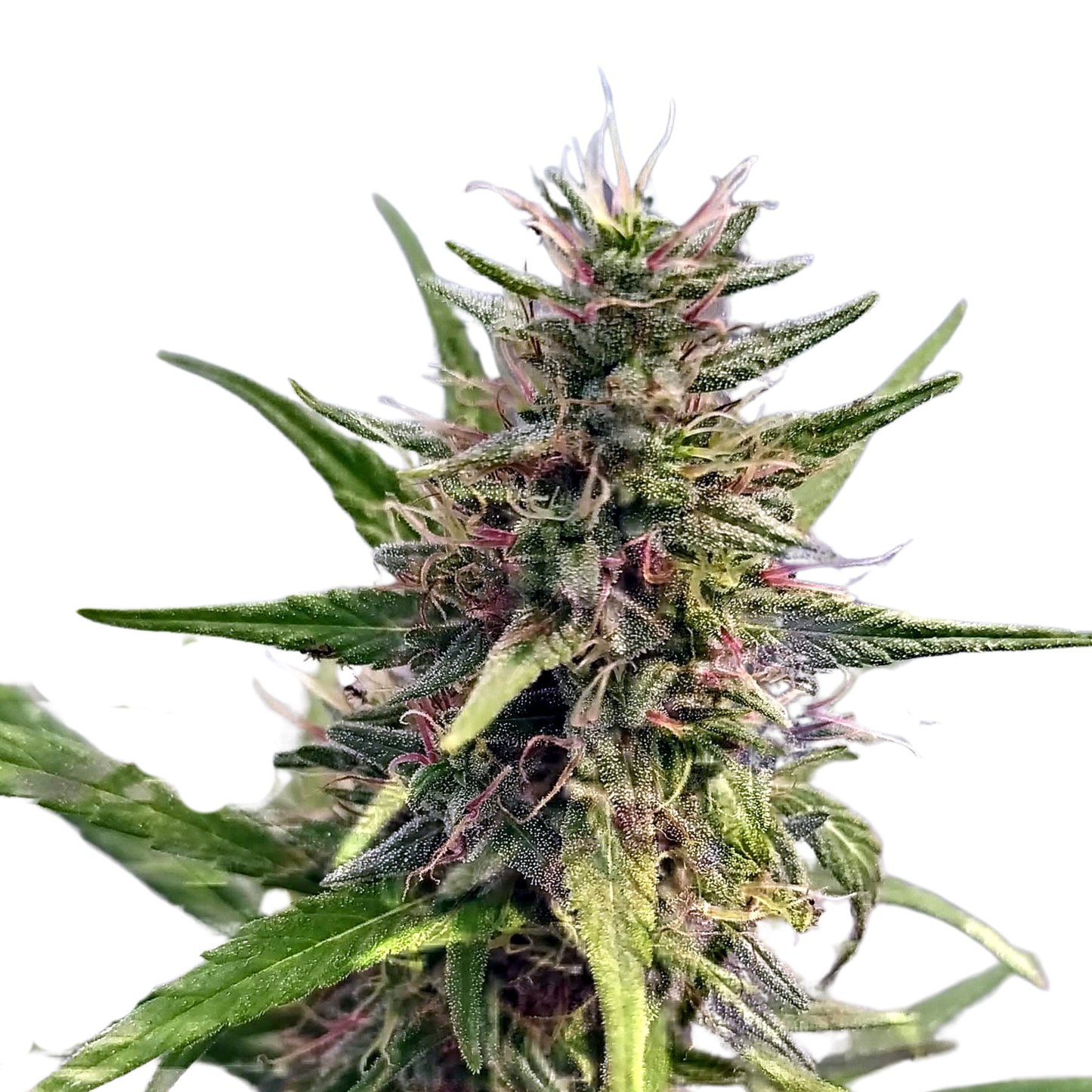
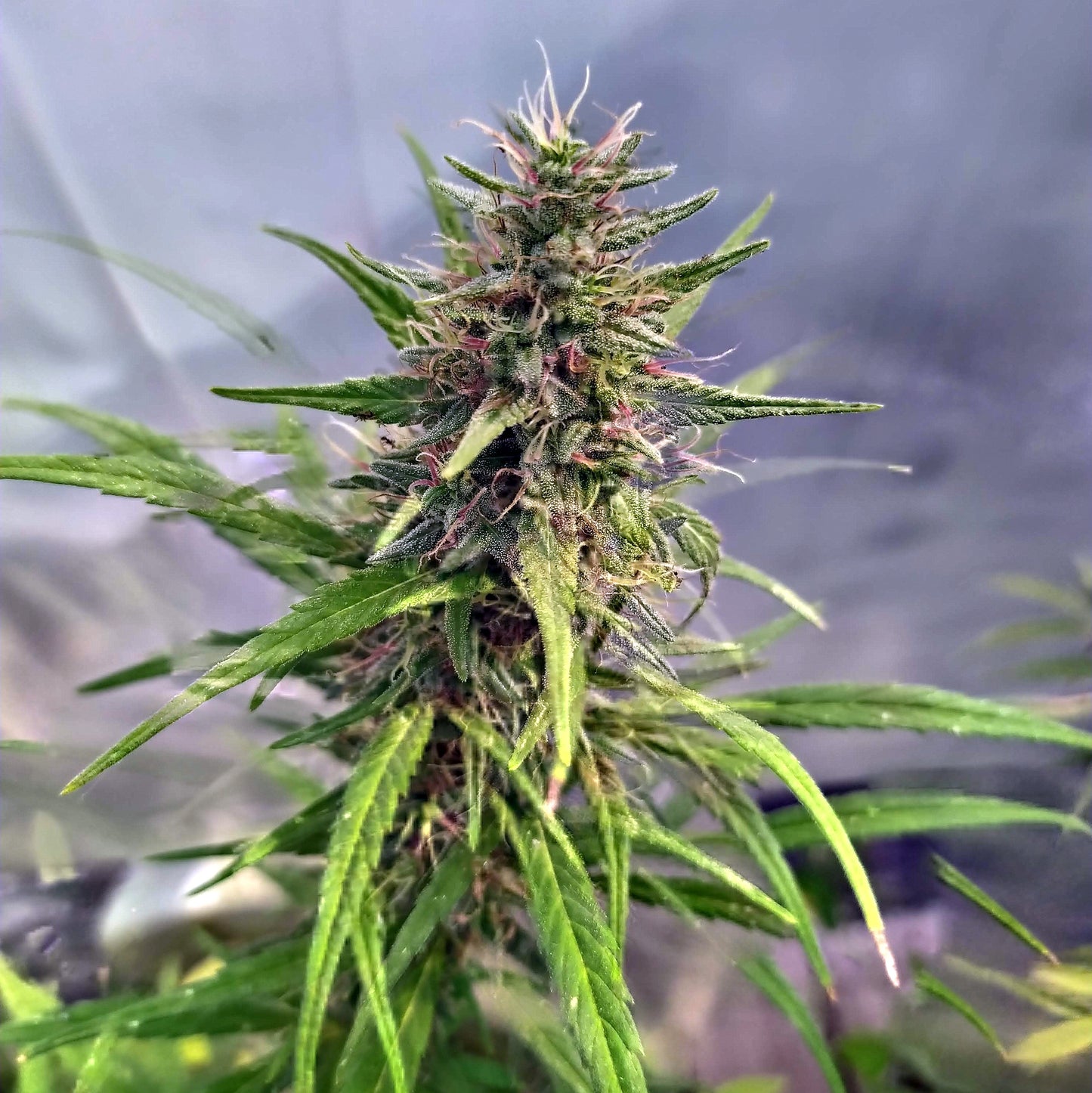
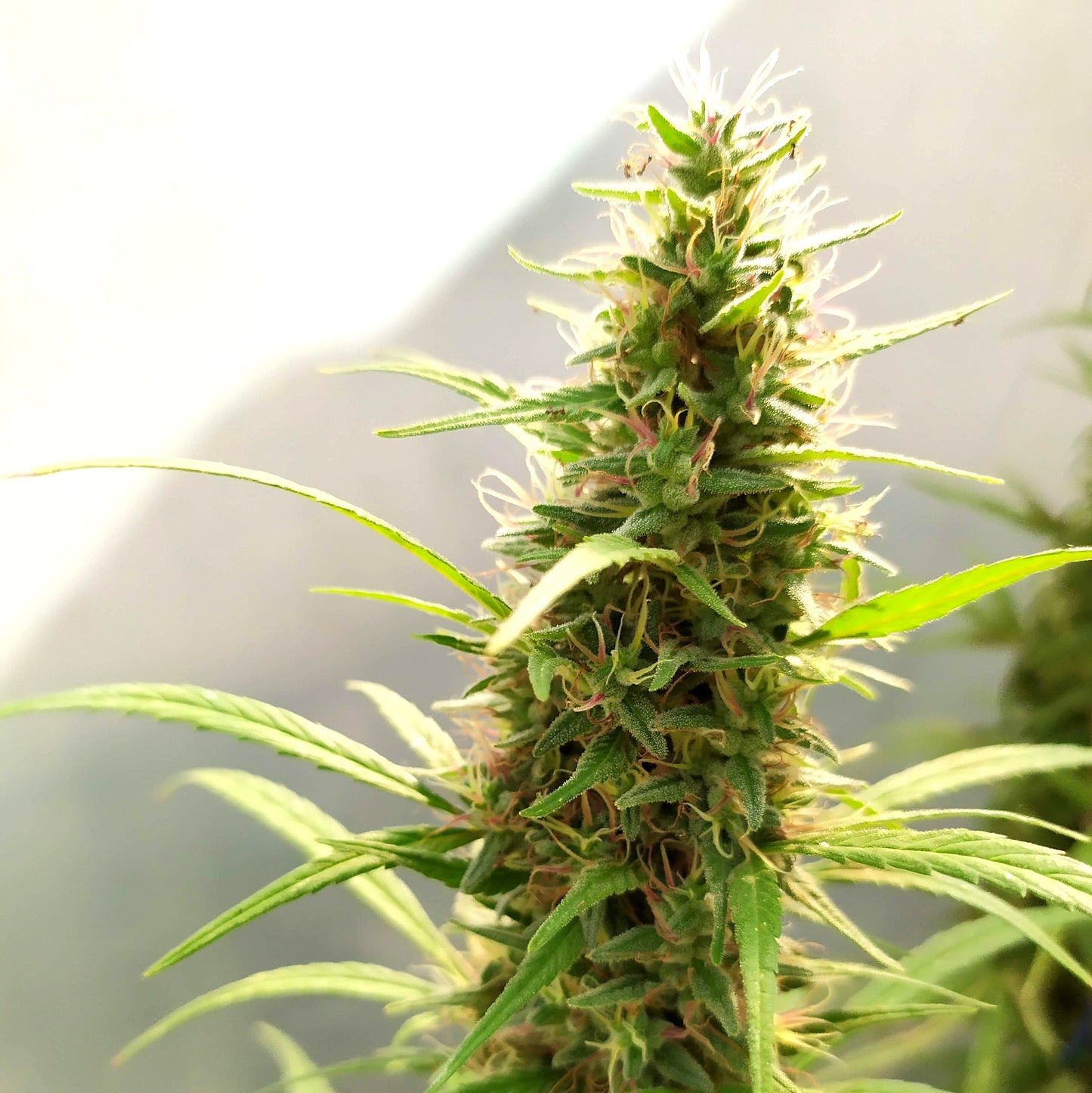
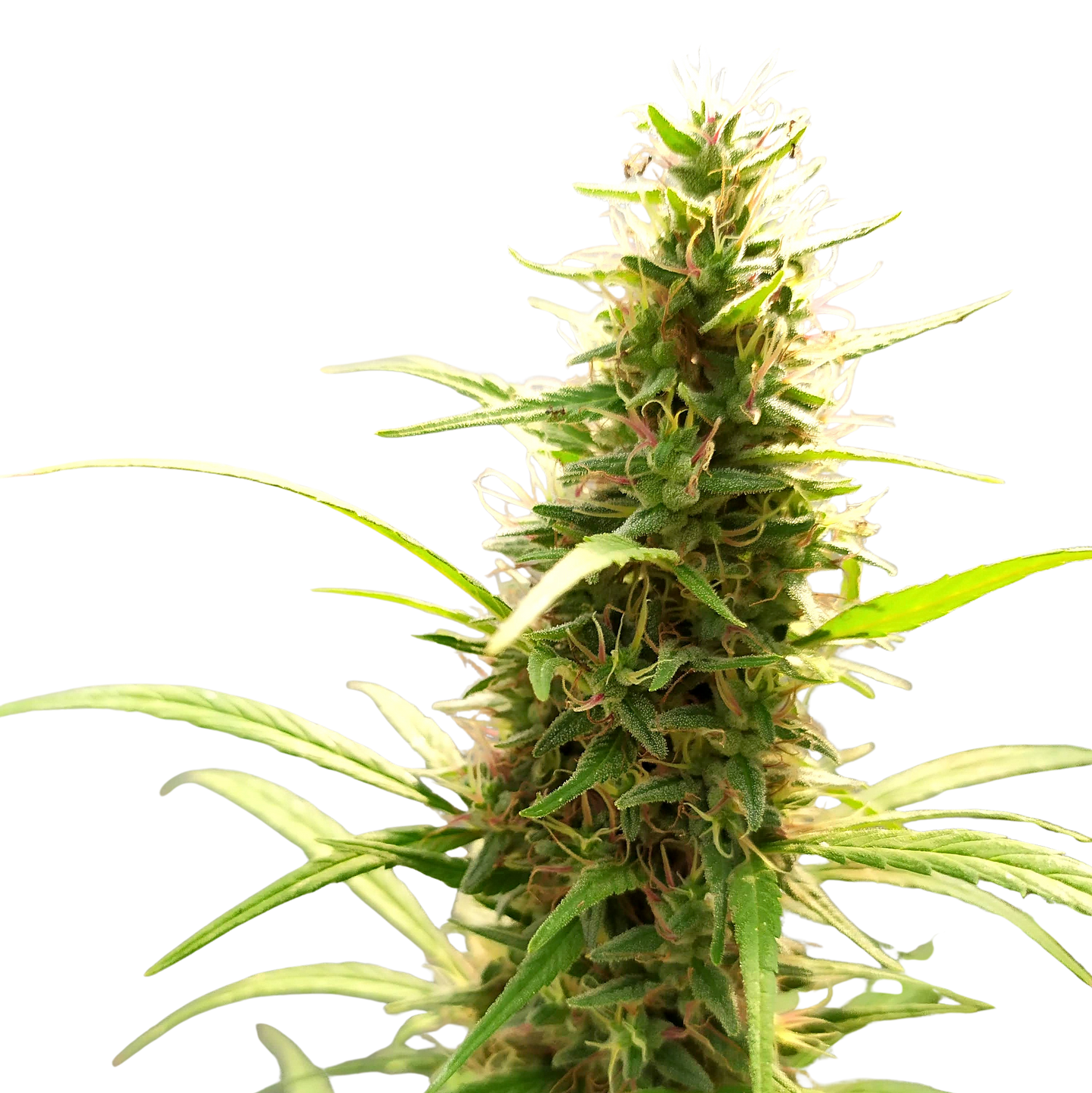
Zuruma grows tall and vigorous, with a vertical growth pattern and extended, flexible side branches. The internodal spacing allows for excellent airflow — a natural adaptation to tropical humidity. Leaves are long, narrow, and deep green, transitioning to lighter lime hues in late bloom. Buds form in elegant, elongated spears with fine calyxes and bright white pistils that mature to soft amber. The trichomes are slender and elongated, giving a crystalline sheen that covers the floral clusters. This structure allows the plant to resist fungi and pests even in challenging climates.
Flower & Aroma Profile
Flowers are airy but heavily resinous, emitting a layered aroma that blends woody spice with earthy and herbal sweetness. Fresh Zuruma carries tones of cedar, black pepper, and citrus rind, while cured buds deepen into a musky incense character with warm sandalwood undertones. On the palate, it’s smooth and lightly peppered, finishing with a dry herbal sweetness reminiscent of African tea and mountain soil.
Growing Tips (Indoor & Outdoor)
Indoor: Requires vertical space or SCROG training to manage height. Maintain consistent warmth (26–30 °C) and moderate feeding, as the heirloom roots prefer light, organic nutrition. Flowers mature fully in 10–11 weeks, with superior results from long light cycles.
Outdoor / Tropical: Perfectly adapted to equatorial and subtropical climates. Performs best in full sun, well-draining organic soil, and high airflow environments. Naturally resistant to mold, humidity, and high UV exposure. Harvest typically occurs in late autumn, showing full resin maturity and color variation from lime to gold.
Effects & Potency
Zuruma’s effect is classically African — clear, electric, and uplifting. It begins with an immediate mental brightness and focus, gradually building into a euphoric, long-lasting clarity that sustains energy without anxiety. Users describe a “spiritual” or meditative dimension, consistent with its ceremonial heritage. Best suited for daytime use, creative work, or introspection.
Appearance & Aroma / Flavor
Appearance: Tall, slender sativa with fine leaves and elongated colas covered in crystalline trichomes.
Aroma: Earthy, woody, herbal spice with sweet citrus hints.
Flavor: Smooth, incense-like, and slightly peppered with a sweet herbal finish.
Cultural Significance
Zuruma is considered one of Africa’s sacred heirlooms — a genetic bridge between the highland strains of Kilimanjaro and the equatorial Congo Basin cultivars. Historically cultivated for both spiritual and communal use, its survival represents the living memory of Africa’s oldest cannabis traditions. In the modern era, Zuruma remains a symbol of natural adaptation, purity, and the wild resilience of true African sativas.